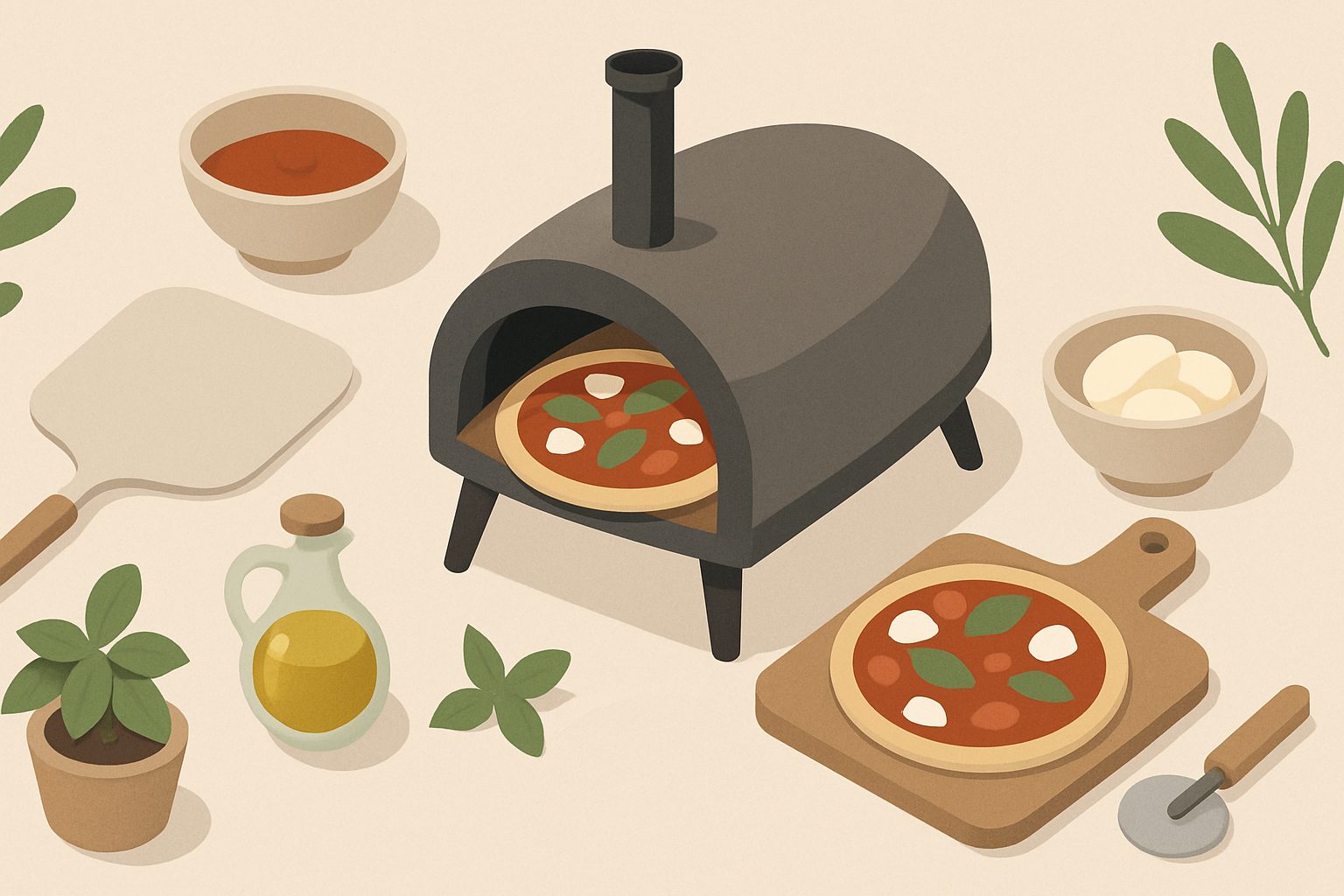
Best Wood-Fired Pizza Ovens UK 2025: Authentic Neapolitan Results at Home
Wood-fired pizza ovens deliver something a conventional kitchen simply cannot: the theatrical heat of a proper wood fire, the char-spotted crust of authentic Neapolitan pizza, and the confidence that you're using genuine equipment, not a novelty garden gadget. The challenge is that there are genuinely good ovens available now, at various price points and with quite different heating and cooking characteristics. If you're serious about the result—leoparded crust, proper char flavour, that blistered edge—some matter more than others.
What separates the genuinely good from the merely decent
The core difference comes down to thermal mass and temperature consistency. A thin-walled oven heats quickly and cools quickly; a well-insulated oven with proper mass stays hot and cooks more evenly. This matters because authentic Neapolitan pizza wants a floor temperature around 350°C and an air temperature sometimes exceeding 450°C. Get the balance wrong and you'll either scorch the bottom before the top cooks, or produce a pale, limp pizza that's more bread than pizza.
Dome shape and thickness also affect how heat circulates and radiates downward. A shallower dome with thicker walls behaves completely differently from a steep, thin dome. The steep dome throws radiant heat down efficiently—good for high-heat, quick cooks. Thicker construction means slower heat-up and slower cooling, which suits longer cooking sessions.
The secondary consideration is fuel type. Wood-fired ovens burn wood, obviously, but not all wood burns the same way. Hardwood species, moisture content, and how finely you split your fuel all influence flame temperature, cooking characteristics, and ash production.
The ovens that actually work well
Ooni Fyra 12 sits at the entry point that still feels serious. It's a portable, wood-pellet-burning oven with a relatively thin stainless steel shell. The appeal is genuine: it heats to temperature in about 20 minutes, and the pellet feed means you're not constantly managing split logs. The limitation is equally real—the thin design means once you stop feeding pellets, it cools noticeably within 30 minutes. For an evening session cooking 8–10 pizzas, that's manageable. For a weekend garden party, you're babysitting the oven.
Ooni Karu series (the larger models, particularly the 16) bridges the gap with a hybrid design: you can use wood or pellets. The bigger size means more thermal mass than the Fyra, and the result is better heat retention and more even cooking. The stainless steel still isn't as thick as dedicated wood-burners, but it's a genuine step up in stability.
Clementi ovens, an Italian manufacturer with genuine heritage, offer proper brick or refractory ceramic construction. Models like the Gourmet or Pulcinella come with thick thermal mass, proper dome engineering, and the feel that you've actually bought equipment designed by people who understand pizza, not just novelty. The trade-off is price and setup—these aren't portable, and they require proper foundations. Heat-up takes 45–60 minutes, but once hot, they hold temperature consistently for hours.
Alfa Forni, another Italian specialist, builds similarly substantial ovens with a sleek aesthetic. Their smaller models like the Moderno or 4 Pizze are more manageable for UK gardens whilst retaining the thermal properties of proper pizza equipment. Refractory lining, thick insulation, proper chimney design—these details accumulate into reliable results.
Getting the leoparded crust
The spotty, charred exterior that defines good Neapolitan pizza is called "leoparding." It's the visual signal that the pizza has seen proper heat and the edges have caramelised. To achieve this consistently, you need both floor heat and air temperature working together, and you need enough radiant intensity that the top cooks before the bottom burns.
This is where oven design matters most. A properly engineered dome angles radiant heat downward. Shallow domes in thin-walled ovens struggle here because the radiant intensity diminishes quickly. Thicker, taller domes with proper refractory lining concentrate heat more effectively. You also want the pizza peel and placement technique nailed—pizzas cook fastest nearest the fire, cooler toward the back. Rotating is part of the skill.
Wood type directly influences this too. Clean, dry hardwood burns hotter and produces a steadier, more intense heat than softwood. Oak, ash, and cherry burn hotter and longer than pine or spruce. The ash from hardwood is also finer, less likely to coat your pizza.
Wood selection and fuel requirements
If you're serious about the cook, understanding your wood makes a measurable difference. Moisture matters—wood above 20% moisture content burns inefficiently and produces excessive ash. Properly seasoned hardwood (dried for 12–18 months) burns cleaner, hotter, and with less smoke.
Pellets, if you go that route, offer consistency—same burn temperature, same heat output—but they cost more per session and some cooks argue the character is slightly flatter. Split logs, especially from oak or birch, give more visible flame and arguably more flavour (though this is genuinely debatable).
The practical choice
Choose a Fyra or Karu if you want simplicity, portability, and quick setup without breaking budget. You'll cook decent pizza, though achieving that leopard consistently requires technique. Choose Clementi or Alfa if you're building a permanent installation and want equipment that's genuinely engineered for the purpose. The thicker construction and proper thermal design produce more forgiving, consistent results.
Whichever you choose, invest in properly seasoned hardwood or quality pellets, and spend an evening understanding how your specific oven behaves—where it's hottest, how much you need to rotate, whether you need to manage the fire actively or let it settle. The oven is half the equation; technique is the other half.
More options
- Ooni Pizza Ovens & Accessories (Amazon UK)
- Gozney Pizza Ovens (Amazon UK)
- Pizza Oven Tools & Accessories Bundle (Amazon UK)
- Kiln Dried Hardwood & Pizza Oven Pellets (Amazon UK)
- Ninja Woodfire & Budget Pizza Ovens (Amazon UK)