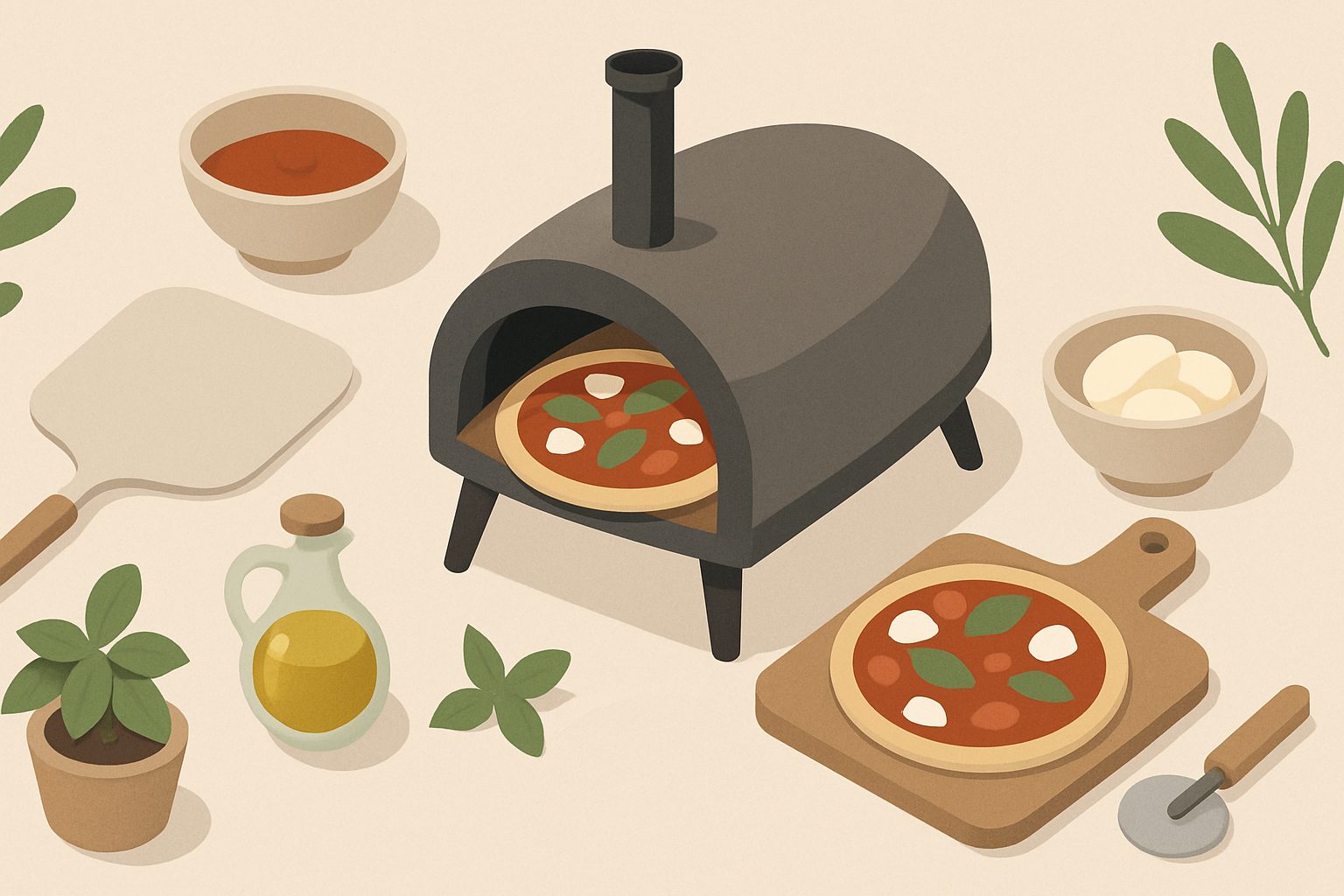
How to Make Authentic Neapolitan Pizza Dough at Home for a Wood-Fired Oven
Making proper Neapolitan pizza dough is genuinely different from throwing together a quick flatbread base. The technique matters, the ingredients matter, and the timing matters even more. If you've invested in a wood-fired oven, you deserve dough that lives up to it—and the good news is that authentic Neapolitan dough is actually simpler to make than many home bakers assume. It just requires patience and a handful of specific choices.
What Makes Neapolitan Dough Different
Neapolitan pizza dough is defined by strict standards set by the Associazione Verace Pizza Napoletana. Authentic dough uses only four ingredients: flour, water, salt, and yeast. No oil, no sugar, no shortcuts. What separates Neapolitan dough from other pizza styles is the hydration level (the ratio of water to flour), the fermentation approach, and the flour type. A proper Neapolitan base is light, slightly crispy at the crust, with gentle leopard-spotted char from the high heat of a wood-fired oven. It's softer than Sicilian, less doughy than a typical takeaway pizza, and far more complex in flavour.
The Critical Flour Question
Flour choice genuinely affects your results here. Neapolitan tradition calls for soft wheat flour—typically 00 grade (doppio zero), which is milled to an extremely fine powder. This allows for higher hydration without tearing, creates a more delicate crumb structure, and develops that characteristic tender crust.
Caputo flour is the classic choice and is readily available from UK retailers—their Pizzeria and Nuvola varieties are both used by pizzerias across Europe. Caputo's protein content (around 12%) strikes the right balance for Neapolitan dough: enough to develop gluten without creating toughness. If you can't find Caputo, look for other 00 flours labelled specifically for pizza, rather than general-purpose 00 flour. The difference is protein content and how the flour absorbs water.
Avoid standard bread flour for Neapolitan dough. Yes, it works, but the result is chewier and less authentic. Standard all-purpose flour is somewhere in between—acceptable but still not ideal.
The Dough Recipe
For two pizzas, you'll need:
- 500g 00 pizza flour
- 325ml water (65% hydration)
- 10g salt
- 3g instant yeast (or 0.5g commercial yeast like Lievito Madre if you're doing longer fermentation)
Add the flour to a bowl. In a separate container, dissolve the yeast in 50ml of the water and let it sit for a minute. Add this to the flour along with the rest of the water—it'll look shaggy and wet, which is correct. Mix until all the flour is hydrated. Let it rest for 20 minutes (autolyse).
Add the salt and knead for 10 minutes. The dough will be quite sticky. Don't add flour—this stickiness is where the delicate crumb comes from. After kneading, it should be elastic and soft, slightly tacky but not gluey.
Cold Fermentation: Where the Flavour Comes From
This is the secret step most home bakers skip. Long, cold fermentation (24–48 hours in the fridge) develops flavour and makes the dough far easier to stretch. The slow fermentation also allows flavour compounds to develop, creating that subtle tanginess Neapolitan pizza is known for.
After kneading, divide the dough into two portions, place them in oiled containers or pizza pans, cover loosely, and refrigerate. You can stretch and shape after 12 hours, but 24–48 is better. At the oven, let the dough sit at room temperature for 30–40 minutes before shaping—cold dough won't stretch properly.
Understanding Hydration Ratios
The 65% hydration in the recipe above is a good starting point, but it's worth understanding what's happening. Higher hydration (68–70%) creates a more open crumb and lighter texture but requires more skill to handle without tearing. Lower hydration (58–62%) is more forgiving but produces a denser, less characteristic result.
If you're new to Neapolitan dough, stick to 65%. As you gain confidence, experiment upwards in 1–2% increments. Your flour's protein content and the weather (humidity matters) will affect how much water it actually accepts.
Ready-Made Options
If building dough from scratch feels daunting, Ooni's pizza dough mix removes the guesswork. It's formulated specifically for Neapolitan-style dough and just needs water and time. It's not "better" than making dough yourself, but it's reliable and saves measuring and the inevitable first-attempt tweaking.
Shaping and Baking
When you're ready to cook, gently stretch the dough from the edge, rotating as you go. Don't use a rolling pin—the leverage matters, and a pin crushes the gas bubbles you've spent time developing. Aim for a disc roughly 30cm across and about 3mm thick at the edge, slightly thinner in the centre.
In a wood-fired oven at the right temperature—around 350–400°C for authentic Neapolitan—your pizza will cook in 60–90 seconds. The high heat creates that characteristic spotted char without drying out the base.
The Takeaway
Authentic Neapolitan dough is fundamentally about respecting the process: choosing the right flour, nailing the hydration, and giving fermentation time to work. It's not difficult, but it does require planning ahead. The results in a wood-fired oven are worth the wait.
More options
- Ooni Pizza Ovens & Accessories (Amazon UK)
- Gozney Pizza Ovens (Amazon UK)
- Pizza Oven Tools & Accessories Bundle (Amazon UK)
- Kiln Dried Hardwood & Pizza Oven Pellets (Amazon UK)
- Ninja Woodfire & Budget Pizza Ovens (Amazon UK)